
2026 Authors

David Attwell
David Attwell is Professor Emeritus at the University of York, where he was Head of the Department of English and Related Literature. He is also Extraordinary Professor at the University of the Western Cape. A teacher, literary critic, and historian of South African literature, his books include J. M. Coetzee and the Life of Writing, a finalist for the Alan Paton Prize; The Cambridge History of South African Literature, co-edited with Derek Attridge; Rewriting Modernity: Studies in Black South African Literary History; and Bury Me at the Marketplace, the collected letters of Es’kia Mphahlele, co-edited with Chabani Manganyi.

Charlotte Bauer
When she turned fifty and started losing equilibrium, influence and teeth, journalist Charlotte Bauer fled to a remote farmhouse in France to have her midlife crisis in peace. In between learning French and making a close study of her ungovernable mother and aunt, who still wore thongs and smoked in bed, she wrote her melt-down memoir, How To Get Over Being Young. A Nieman Fellow at Harvard University, she has worked variously as a profile writer, columnist, and editor at the South African Sunday Times and was a founding member of the Mail & Guardian. She currently lives in Cape Town and writes for News24, where she presents the Charlotte Bauer Book Club, a monthly online hangout for fiction fans who love sharing what they’re reading but would rather order a takeout than do the cooking part.
Michael Behr
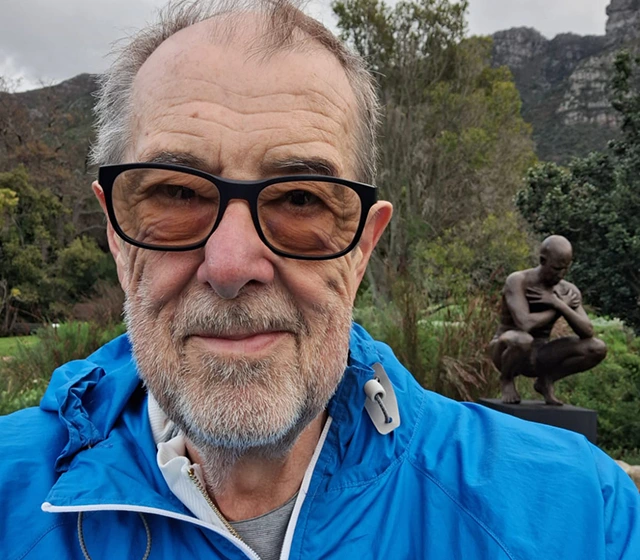
Michael Behr is a seasoned journalist who has won awards for his feature writing. His first book, Call It Like It Is, a memoir of legendary rugby referee Jonathan Kaplan, was a bestseller. His behind-the-scenes coverage of the Shrien Dewani honeymoon bride murder case produced a series of UK front page scoops, as did his coverage of several more high-profile murder trials. His latest book, Confessor Cop: The Detective Who Persuaded Killers to Talk, tells the fascinating story of Captain Jonathan Morris who investigated a number of high-profile crime cases with a 99% success rate, using empathy to extract confessions from even the toughest criminal.
Colin Bell
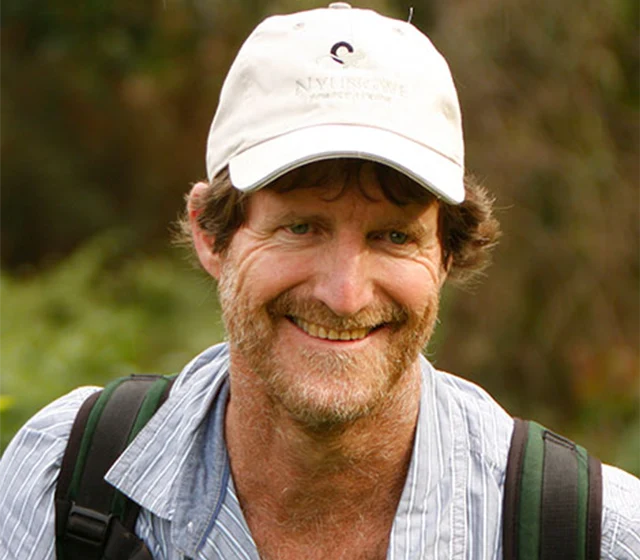
Colin Bell is a conservationist and co-founder of Wilderness Safaris and Natural Selection. Highlights of his career include establishing partnerships with impoverished remote rural communities and initiating the successful reintroduction of both black and white rhino back into the wilds of the Okavango Delta. He has co-authored two books on wildlife and the environment: Africa’s Finest, about the safari tourism industry and The Last Elephants, about the plight of elephants right around Africa and beyond.

Vintcent van der Bijl
Vintcent (‘Vince’) van der Bijl, whose career spanned the years of South Africa’s sporting isolation, has been described as one of the best bowlers not to play Test cricket. With many of his records still standing, he easily earned his place in John Woodcock’s Greatest 100 Cricketers of All Time. He was only paid once as a cricketer, when he was recruited by Middlesex in the English County Championship. He has worked as cricket administrator and businessman, but at heart he is a teacher. In his retirement, he has used his international contacts to found the NPO MasiSports, which supports youth through sport, education and mentorship. Thanks to his efforts, a school in Masiphumelele which a decade ago had one netball court and one coach, today has nineteen teams, twelve coaches, and learners playing in official schools’ leagues. Van der Bijl’s autobiography, Cricket in the Shadows, written with John Bishop, sports editor of The Witness, is now a collector’s item.

Elleke Boehmer
Born in Durban, Elleke Boehmer is Professor of World Literature in English at the University of Oxford, and Executive Director of the Oxford Centre for Life Writing. Elleke is the author of six novels, including The Shouting in the Dark which won the Olive Schreiner Prize, and of two volumes of short stories, Sharmilla, and other Portraits (2010) and To the Volcano (2019), as well as a wide range of other publications, including Migrant Metaphors (1995, 2005), and Indian Arrivals (ESSE prizewinner 2016). In 2025-26, Elleke published a trio of books about the ‘far southern edge of the world’, including Southern Imagining (Princeton/Wits UP), and her latest novel, Ice Shock. Ice Shock asks how we go on falling in love when the planet is melting under our feet. In the novel, an Icelandic volcano has thrown an ash cloud into the atmosphere and, across the world, planes have stopped flying. Beneath skies that are severely blue, two young people in love grow strangely restless.
Edwin Cameron
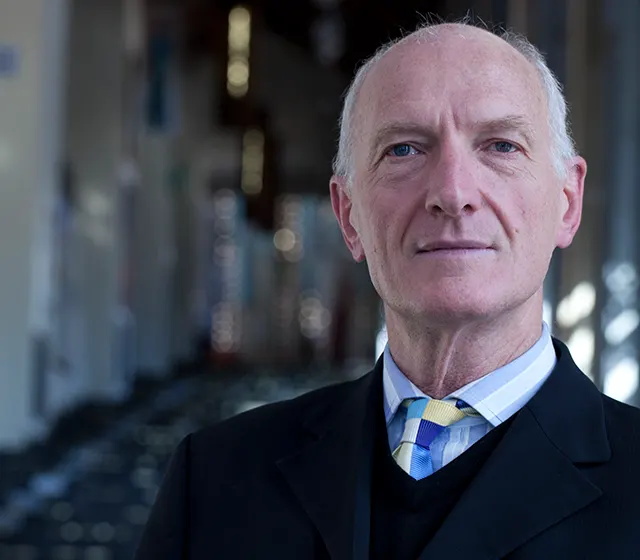
Described by President Mandela as ‘one of South Africa’s new heroes’, Edwin Cameron had a troubled start in life. The boy who was to become a Supreme Court and Constitutional Court Justice spent several years in a children’s home. Seeing his imprisoned father again at the funeral of his sister Laura, stimulated an early interest in the law. In Justice: A Personal Account, Cameron recalls that his ‘personal quest was to make the law more than only an instrument of confinement, more than only an implement of reproof, rebuke and correction.’ With financial assistance he attended Pretoria Boys High and Stellenbosch University where he earned his BA Law and BA Honours cum laude before taking up a Rhodes scholarship at Oxford University. He was there when the news broke of Steve Biko’s death from injuries sustained in police custody. Returning to South Africa to practise at the Johannesburg Bar, he focussed on human rights and defending anti-apartheid activists. He had recently begun his academic career at Wits University’s Centre for Applied Legal Studies (CALS) when he tested positive for HIV. The award-winning memoir, Witness to AIDS, charts his survival, marks the beginning of his campaign against stigma, defence of LGBTQ+ rights and calls for wider access to the drugs that saved his own life. His career, distinguished by personal integrity and commitment to transformative jurisprudence, has brought him many international honours and awards including honorary doctorates in law from King’s College, Oxford and St Andrews. He was Chancellor of Stellenbosch University from 2019 to 2024. His most recent book, Behind Prison Walls, co-authored with Rebecca Gore and Sohela Surajpal, was inspired by his work as Inspector of Prisons and offers solutions for a less violent South Africa.

Michael Cope
Michael Cope is an artist, goldsmith, poet, novelist, memoirist and karate teacher. Last year he published two highly unusual works: Concerning the Work, a limited edition illustrated memoir of his craft as a jeweller, written as a letter to the successor who will inherit his tools, and The Fall of Ugarit, a love story stretching from Canaan in the Bronze era to contemporary False Bay. Cope’s other publications include Ghaap: Sonnets from the Northern Cape and Intricacy, a memoir of his mother, the activist, mystic and painter Lesley, who was married to the novelist Jack Cope. Mike’s essays on jewellery making, painting in the Aegean and other topics are free to read on his website.

Karin Cronje
Karin Cronje is a novelist, memoirist and lecturer. She won the Jan Rabie/Rapport Prize for her second novel, Alles mooi weer and went on to write an acclaimed memoir about her experiences teaching English in Korea. There Goes English Teacher was described by Deborah Steinmair as ‘a wonderful, abounding book, by a writer who portrays the chaos and unbearableness of this life alarmingly.’ She has worked as a journalist, and in publishing, promoting amongs others Nobel Laureate Nadine Gordimer, authors Wally Serote and Mandla Langa, and cartoonist Zapiro. She recently retired as a lecturer in the Music Literacy Department at Stellenbosch University.
Photo credit: Roz Misselhorn
Darryl Earl David
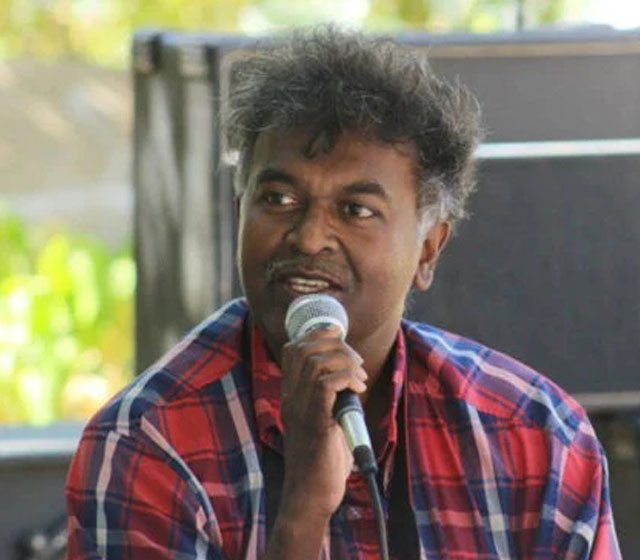
David Earl David is the co-author of a trilogy of books on churches of South Africa. 101 Country Churches of South Africa, A Platteland Pilgrimage and Church Tourism in South Africa. He is also the author of two children’s books, a memoir, Bookbedonnerd: the Road to Elsewhere, and a photographic book Karoozing. His latest book, Doggone Days is a pet memoir of his travels with five dogs (two Saint Bernards!) over a period of nearly 20 years to some of the most picturesque places in South Africa. Darryl has spent his life championing literature, culture and cultural tourism. Originally from KwaZulu-Natal, he began his academic career with an MA cum laude in Afrikaans and Nederlands and has for years held the distinction of being the country’s only Indian lecturer of Afrikaans. In his memoir BookBedonnerd: The road to elsewhere, he describes how he established a literary festival in the small Karoo town of Richmond. He says that founding and supporting literary festivals has become a ‘madness’ with him: the Schreiner Festival in Cradock, the Midlands Literary Festival in Howick, the JM Coetzee Festival in Richmond, the Breyten Breytenbach Book Festival in Montagu, the Madibaland World Literary Festival, South Africa’s only Festival of Children’s Literature and, more recently, Books on the Bay, are all beneficiaries of his passion. His enthusiasm has garnered him international renown: in 2023 he delivered a keynote address at the International Organisation of Book Towns in New Zealand. Thanks to his nous for spearheading cultural initiatives, the first isiZulu Literary Museum in South Africa was established at UKZN; Durban now has UNESCO City of Literature status, Overstrand has UNESCO City of Gastronomy status and Howick and the Midlands Meander now has Unesco City of Craft and Folk Art status. Furthermore, the English Academy awarded him its gold medal, delighting him by ranking him among the literary figures he most admires. And late last year, the Afrikaans Taalmonument presented him with the Neville Alexander Prize for his lifelong contribution to Afrikaans literature.

Dennis Davis
Dennis Davis was born into a working class Jewish family and rose to become Professor of Law at UCT, Judge of the High Court of South Africa and Judge President of the Competition Appeal Court. A critical thinker and voracious reader, he soon rejected the ideology he was taught at the Jewish School he attended as ‘rubbish’ and instead became interested in Marxist theory. Two conscientizing moments as a student – assisting union members at the Workers’ Advice Bureau and hearing Steve Biko talk – made him realise ‘that there was another paradigm out there other than our colonising, liberal project.’ In the period of activism that followed, he was pursued by baton-wielding police for protesting against detention without trial and was briefly detained himself. He joined the UDF and the ANC when it was legal to do so and went on, as Director of Applied Legal Studies at CALS, to advise the multi-party conference that drafted the South African constitution. Davis’s activism at first sight sits oddly beside his expertise in tax law (he chaired the Davis Tax Committee and teaches Advanced Tax Law) but in fact it was his activism that led to that expertise. As a ‘shit-stirrer’, he failed to get any bursary money. To pay his fees, he worked at the Old Mutual Insurance Company where he was ‘lumped into tax.’ Davis’s lively, witty and outspoken nature and his gift for communication made him the ideal host for the TV programmes Future Imperfect and Judge for Yourself. As a writer too, he has moved easily between academic publications (over a hundred of them) and books for the general public. He co-authored Lawfare: Judging Politics in South Africa and Precedent and Possibility: The Use and (Ab)use of law in South Africa with Advocate Michelle Le Roux.
Finuala Dowling
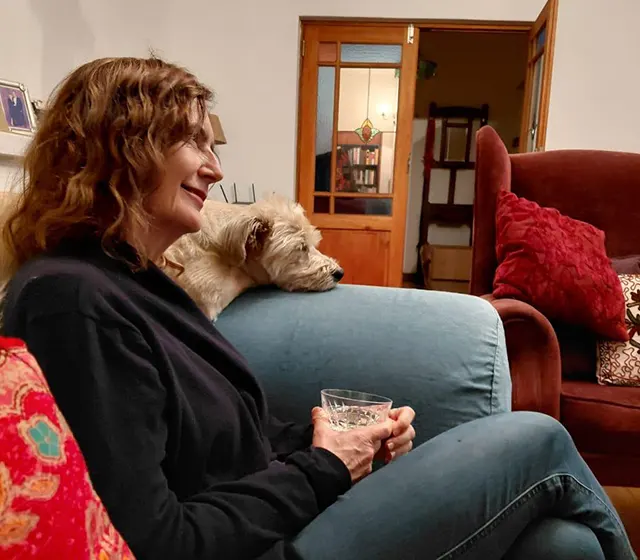
Finuala Dowling is a poet and novelist with deep roots in False Bay. Kalk Bay, Lakeside, Muizenberg and Kommetjie find literary expression in the novels What Poets Need, The Fetch, Homemaking for the Down-at-Heart, Okay, Okay, Okay and The Man Who Loved Crocodile Tamers. She has an M.A. from UCT and a D.Litt. et Phil from Unisa. Her professional career has covered the full range of adult education, from literacy materials to literature, from introductory creative writing courses to mentoring people working on memoirs, novels and short story collections.
Matthew Dowling
Matthew Dowling is quietly observant and deeply attuned to the natural world. He has spent more time in the water than out of it. He has crossed an ocean under sail, surfed towering waves along the Cape’s coastline, and navigated remote trails to leap into mountain pools from heights of over 20 metres. His knowledge of the Western Cape’s coastline and inland waters is grounded in decades of personal experience.
Serai Dowling
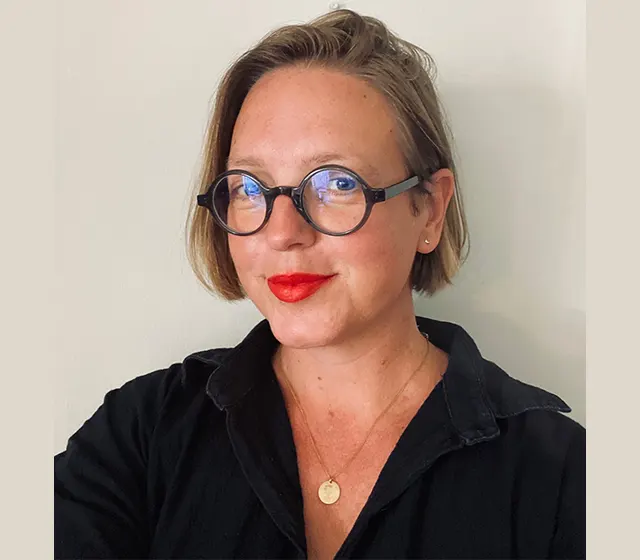
Serai Dowling is a writer, photographer, researcher, mediator, and director who has worked with corporates and non-profits in South Africa, Kenya, Malawi, Ghana, Mozambique, Angola, the UK and Western Europe. She has been swimming in tidal pools, rivers, and wild coastal spaces for over 26 years, through rain, wind, and sunshine. Her Guide to Tidal Pools of the Western Cape quickly became a bestseller. Her new book A Guide to Wild Swimming in the Western Cape, both a love letter to nature and a practical companion for those drawn to wild swimming, invites readers to tread lightly, listen deeply, and return to something ancient and healing in themselves. It is co-authored with Matthew Dowling, a Waldorf teacher, photographer, qualified mountain guide, and certified wilderness first aider.

Gora Ebrahim
Gora Ebrahim fulfilled his late father’s dream by becoming a professional footballer. Often compared to Franz Beckenbauer for his defensive skills on the field, he played for Dynamos and then for Orlando Pirates, joining the Bafana Bafana camp in 1992. His memoir, No Regrets, returns to a memorable incident in 1995 when he fly-kicked coach Walter Rautmann in the chest after being substituted in a match. For his own safety escorted out of Thohoyandou Stadium by police, this emotional episode changed the course of Ebrahim’s life. He retired from professional football and focused on his career as a teacher and headmaster. One day, he began writing a Facebook article to all his loved ones by way of an apology and explanation for failing them on that day in Venda. As he progressed, he became immersed in the unfolding of events leading up to the fateful moment. The result is his book No Regrets.

Justin Fox
Novelist, travel writer and photographer, Justin Fox is the author of 26 books. His latest novel, Malta Inferno, deals with a convoy from Egypt to Malta in the summer of 1942, with a South African ship from Simon’s Town in the thick of the action. Justin is a Rhodes Scholar with a doctorate in English from Oxford University and has taught part time at the University of Cape Town for two decades. Until 2020, he was the editor of Getaway magazine. Some of his recent books include The Marginal Safari, Whoever Fears the Sea, The Impossible Five, as well as novels in the Jack Pembroke series of thrillers, including The Cape Raider, The Wolf Hunt and Hell Run Tobruk. In 2024, Justin’s literary travelogue, Place, was shortlisted for both the Sunday Times Literary Award and the South African Literary Award. Justin is currently an artist in residence at the University of Johannesburg.
Peter Godwin
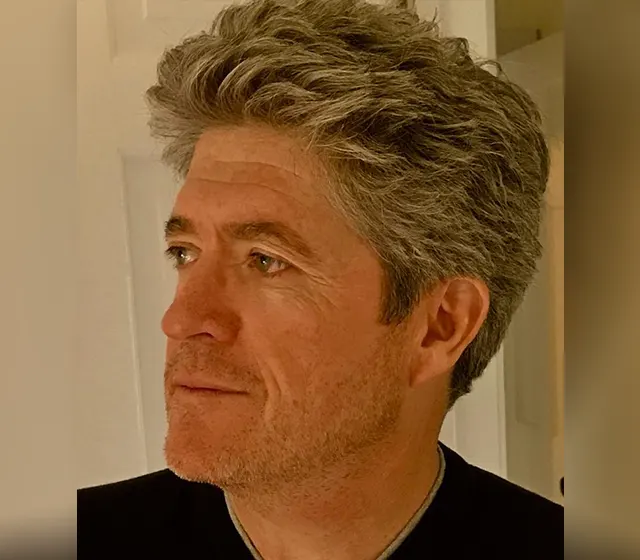
Peter Godwin was born and raised in Zimbabwe. He is the author of six nonfiction books, including Mukiwa, which received the Orwell Prize and the Esquire-Apple-Waterstones Award, and When a Crocodile Eats the Sun, which won the Borders Original Voices Award. The Fear, his account of the last days of Mugabe’s regime was selected by The New Yorker as a best book of the year. His third memoir, Exit Wounds: A Story of Love, Loss and Occasional Wars was shortlisted for the South African Book Awards (SABA) and longlisted for the 2025 Sunday Times Literary Award. It was set off by an ‘annus horribilis’ in which his mother died, his twenty-five year marriage ended and his children left home. The book concludes with ‘a love letter to New York’ where he lives. He has taught writing at Wesleyan and Columbia and served as President of the PEN American Center. He is an Orwell fellow and a Guggenheim fellow.
Anton Harber
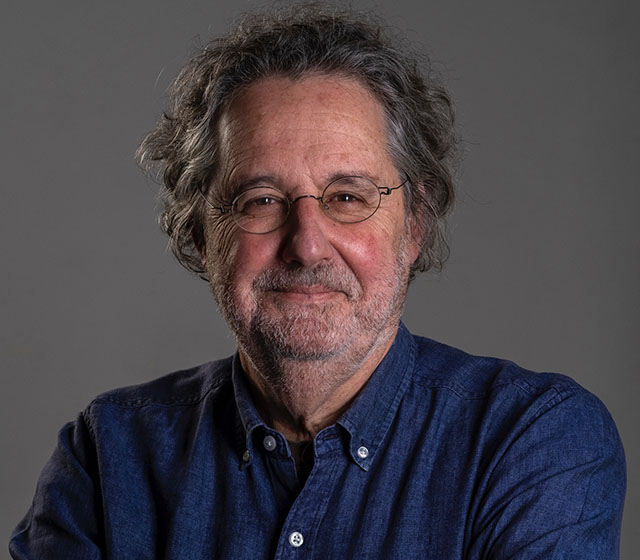
Anton Harber has been a journalist for 44 years, as a reporter, editor, manager, educator/trainer and columnist. He is executive director of the Henry Nxumalo Foundation (which supports investigative reporting). Harber was founder-editor of the anti-apartheid newspaper The Weekly Mail / Mail & Guardian and Editor-in-Chief of the country’s leading TV news channel, eNCA. For two decades, he held the Caxton Chair of Journalism at Wits University as an adjunct professor. He has written or edited a number of books, including So, for the Record: Behind the headlines in an era of state capture, Diepsloot and Southern African Muckrakers: 300 years of investigative reporting that shaped the region.

Tony Jackman
Tony Jackman is the food editor of Daily Maverick and the writer of its popular food column, ‘TGIFood’. In 2021 he was named Galliova Food Champion for his food writing. As a playwright (An Audience with Miss Hobhouse, Cape of Rebels) he has repeatedly visited the era of the Anglo-Boer War and of Olive Schreiner and Emily Hobhouse. He has lived in the Karoo since 2014, researching and preparing traditional and local dishes and revisiting cookery classics by C Louis Leipold and SJA de Villiers. His book, Retro Karoo Food: 80 South African Recipes, is the fruit of that research, featuring traditional, adapted and invented recipes from tomato bredie to ginger chicken roasted in a potjie, and from hoenderpastei to Karoo ice creams and prickly pear syrup.

Julian Jansen
Julian Jansen is originally from Lusikisiki in the Eastern Cape and spent his childhood in the Strand, Western Cape. He taught geography and history at two Helderberg schools for 18 years.
He also worked as a senior reporter for Rapport in Cape Town. In 2009, he took a brief hiatus from journalism to serve as the spokesperson and speechwriter for the Western Cape MEC for community safety.
In 2010, Jansen and two City Press colleagues received honourable mentions in the hard-news category of the Mondi Shanduka awards for their reporting on the murder of Anni Hindocha on her honeymoon in South Africa and the charges laid against her new husband, Shrien Dewani. In 2013, Rapport awarded him the special editor’s prize for exceptional reporting.
Some of the Afrikaans articles he wrote for Rapport were included in the Best Books Eksamenhulp-Afrikaanswerkboekreeks (Afrikaans workbooks aimed at helping learners prepare for exams). He is also the author of the bestselling books The De Zalze Murders, Stellenbosch: Murder Town, The Murder of Deveney Nel, Seun sonder pa’s (translated: Boys without fathers) and Op die spoor van die stasiemoordenaar (translated: On the tracks of the Station Strangler).
Since his retirement in October 2024, Jansen has been a freelance reporter for Rapport’s digital platform, Netwerk24, and for Kuier magazine.
While his articles and books often focus on crime, his writing seeks to promote individual and socioeconomic justice by fostering resilience within individuals, families and the community.

Karen Jennings
Karen Jennings is a Cape Town-born novelist, poet, historian and short story writer whose rise to international fame was made possible by the tenacity of small publishers. Her character-driven novels, written in spare prose characterised by finely observed, empirical detail, have brought critical acclaim. An Island, her third book, was longlisted for the Booker Prize in 2021; Crooked Seeds was longlisted for the Women’s Prize in the year that The Safekeep won. Her latest book, Swartbooij and Titus, part prose, part poetry, is set in the eighteenth century on the Cape’s northern frontier. It tells the story of real-life father and son who were integral in beginning a war between colonisers and the local Khoesan. The idea for the book came during Jennings’ tenure as writer-in-residence with LEAP at Stellenbosch University. She is now lecturer in creative writing at the University of Potchefstroom.
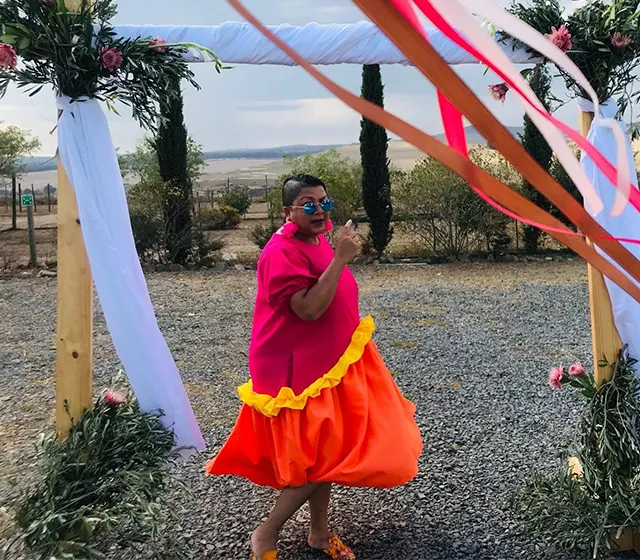
Ingrid Jones
Ingrid Jones is a publisher, TV and radio presenter, and the author of The Lockdown Recipe Storytelling Book. She started out as a high school teacher before she decided to pursue a career in the media industry, co-founding her own all-black female-owned media company, Mikateko Media. Mikateko Media publishes the Inflight Magazines for numerous South African airlines including SAA, Mango and FastJet Airlines.
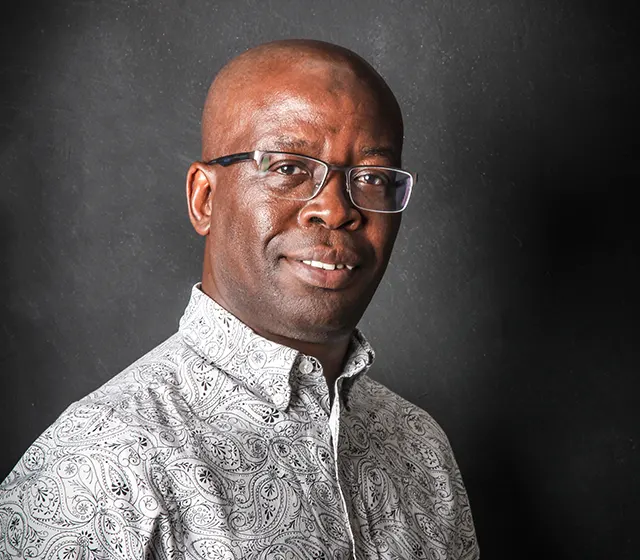
Fred Khumalo
Fred Khumalo is a prolific author whose oeuvre ranges from humorous newspaper columns to deeply researched historical fiction. As a teenager growing up in Mpumalanga Township, Durban, he already knew he wanted to be an author. He completed an MA in creative writing at the University of the Witwatersrand with distinction and is a recipient of a Nieman Fellowship from Harvard University. His novel Bitches’ Brew was a joint winner of the 2006 European Union Literary Award, and his memoir, Touch My Blood, was shortlisted for the Alan Paton Prize for Non-fiction in 2007. Dancing the Death Drill, an historical novel centred around the ill-fated SS Mendi, was a joint winner under the ‘Best Fiction Single Authored Volume’ category at the Humanities and Social Sciences Awards. Writing in the Johannesburg Review of Books, Khumalo noted that ‘historical fiction can be a powerful tool in the hands of a writer who is also an activist, which I count myself to be. The writer-activist can, by weaving a fictional story around a factual but little-known historical event…insert chunks of what might be called “hidden history” into the public domain.’

Popina Khumanda
Popina Khumanda was born in 1995 in the Democratic Republic of Congo. At the age of five, her village was attacked and she and her older sister were captured by rebels. After five years in captivity, they escaped and walked to South Africa in search of safety. On arrival, Popina was placed in an orphanage, where she had to rebuild her life from nothing. Unable to speak the language, she learned Afrikaans first as a means of survival. Despite disrupted schooling, language barriers, and severe financial hardship, Popina completed her matric in 2013, earned a degree in Information Technology from Nelson Mandela University, and later specialised in cybersecurity at the University of Cape Town. Today, she is a cybersecurity lecturer at a tertiary institution, using her lived experience to inspire others to rise beyond their circumstances through education.
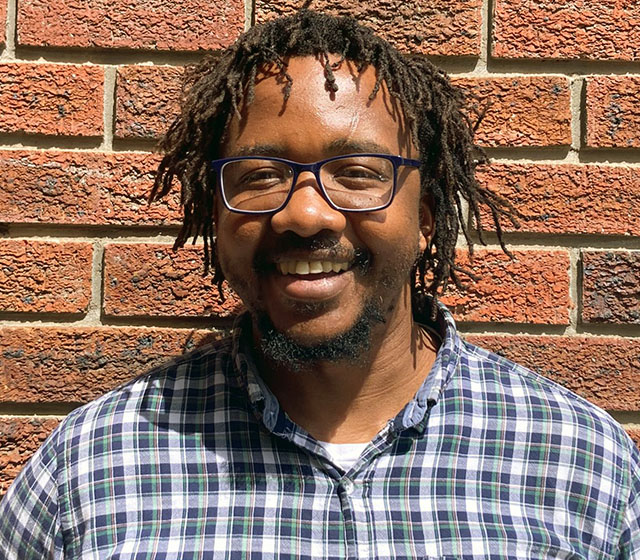
Bongani Kona
Bongani Kona is a writer, editor and lecturer in the Department of Historical Studies at the University of the Western Cape. His writing has been broadcast by BBC and appeared in a variety of publications including, Chimurenga, New York Times, Safe House: Explorations in Creative Nonfiction, The Daily Assortment of Astonishing Things and Other Stories, and The Baffler. He edited Our Ghosts Were Once People: Stories on Death and Dying, which brings together writers and poets from diverse backgrounds. The topics range from the personal to the political and the philosophical. He was awarded the Ruth First Fellowship in 2019 and shortlisted for the Caine Prize for African Writing in 2016.

Antjie Krog
Antjie Krog was a seventeen-year-old Free State farmgirl when her poems first stirred South Africa’s conscience. A poem beginning ‘look, I build myself a land/ where skin colour doesn’t count’ inspired the headline, ‘‘Dorp gons oor gedigte in skoolblad’ and led to her father being questioned by the Broederbond, but there was an outpouring of support from other sources: she was defended by the head of Afrikaans and Nederlands at Wits University; DJ Opperman became her mentor. At a mass rally in Soweto marking the release of Robben Island prisoners, Ahmed Kathrada read the poem and commented on the hope its words had instilled among them: ‘If a school child was saying this, we knew we would be free in our lifetime.’ Poetry has, in Krog’s words, ‘no fiscal value’, and she initially earned her living through journalism, leading the Afrikaans reporting team in its coverage of the Truth and Reconciliation Commission. At first she declined her publisher’s request to write a book about her experience of listening to the testimonies of those affected by the security police’s relentless use of kidnap, torture and murder, but eventually the words ‘I dare not write a book’ turned into ‘I have to write a book.’ Blending poetry, reportage and memoir, Country of my Skull is a magisterial work now incorporated into university courses all over the world. It was followed by two more works of creative nonfiction, A Change of Tongue and Begging to be Black. Her latest book, Blood’s Inner Rhyme, again breaks genre boundaries, mixing narration with diary entries, letters and care-home records as Krog tunnels into her relationship with her mother, the writer Dot Serfontein, and their shared cultural heritage. She claims this will be her last book. As an extraordinary professor at UWC, Krog mentored many young writers. Her works have been translated into more than eight languages and she herself has moved between writing in English and Afrikaans. For her poetry, journalism, non-fiction and translation, she has won multiple prizes, including the Eugène Marais Prize, the Hertzog Prize, the Alan Paton Award, and the Olive Schreiner Prize and, internationally, the Hiroshima Peace Culture Foundation’s Stockholm Award, the Central European University’s Open Society Prize, and the Dutch Gouden Ganzenveer. Last year she was the second female winner of the prestigious Helgaard Steyn Prize for Literature with her twelfth Afrikaans poetry collection, Plunder.

Tony Leon
Tony Leon, the longest serving leader of the opposition in democratic South Africa, played a leading role in the negotiations which birthed modern South Africa and, more recently, the Government of National Unity. A columnist and analyst, he is the author of six books including The Accidental Ambassador: From Parliament to Patagonia and Future Tense: Reflections on My Troubled Land. A qualified attorney and lecturer in Constitutional Law, he is currently chairman of Resolve Communications. His latest book, Being There: Backstories from the Political Front, gives insights into what happened behind the scenes when history was being made in South Africa.
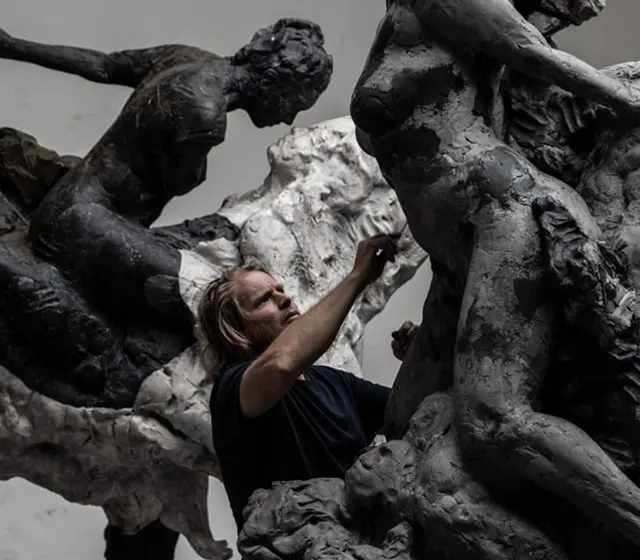
Dylan Lewis
Dylan Lewis was born in Johannesburg into a family of accomplished artists. As a child he remembers being deeply affected by a small, discarded sculpture he found in his father’s studio. He followed his father into that medium and became widely recognised as one of the world’s foremost sculptors of the animal form, in particular the big cats. In recent years he has worked with human figures, linking them symbolically to their original state as part of the animal kingdom through masks (lion, waterbuck) or by showing a male and female emerging from the body of a bull. Lewis is driven by a desire to rewild the human psyche which has suffered such a great disconnect from its wilderness origin. For him, art is a way of surviving what it feels like to be human today. The Dylan Lewis Sculpture Garden, created by chance when the artist brought in equipment to level a playing space for his children and then became inspired by the sculptural possibilities of earth-moving, borders a mountain where leopard still roam. A new book with the same name represents a walk through the garden, drawing on excerpts from the sculptor’s tour to guide the reader through his career to date. It features his early birds, large and iconic cats and African animals, more recent shamanic figures, male and female torsos, as well as increasingly abstract, large-scale works. Lewis’s work has been exhibited in Paris, Sydney, Toronto, Houston, San Francisco and London. He is among the few living artists to have held solo auctions (sold-out) at Christie’s.
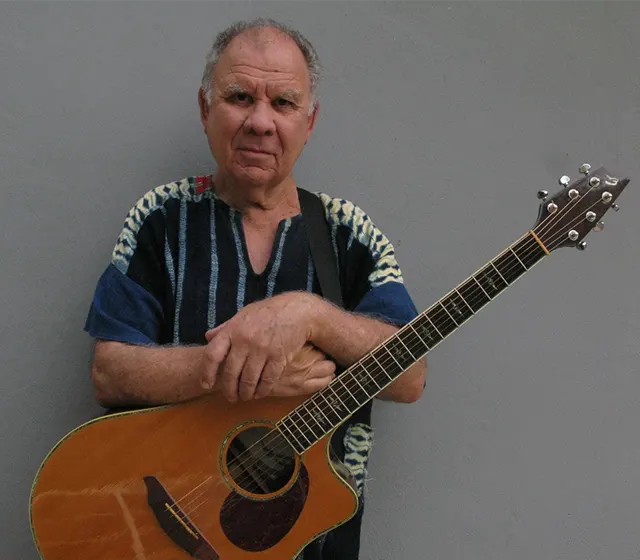
Roger Lucey
Roger Lucey began his musical career in his hometown of Durban in the 1970s and 1980s, a period documented in his first memoir, Back In From the Anger. His politically charged songs, particularly ‘You Only Need Say Nothing’, attracted unwanted attention from the security police. His first two albums, ‘The Road is Much Longer’ and ‘Half A Live’ were banned; gigs were mysteriously cancelled. For a decade and a half, Lucey worked as a news cameraman, documenting the wars of Africa and Eastern Europe, drinking and living hard. Then, during South Africa’s first years of democracy and with no previous experience, but with a vague idea that the process might lead to healing and help him reclaim his life and creativity, he set out to build a house in the mountains of the Breede River Valley. His new book, How to Build a House in the Mountains, is the story of that house, his reconciliation with the security policeman who had ended his youthful musical career and the path that led him out of the darkness of his past back into the light of his music. His live solo show is a compelling combination of stories and songs inspired by the journey.

Michele Magwood
Michele Magwood is the award-winning former books editor of the Sunday Times and host of the Magwood on Books podcast. Happiest in her own garden in Johannesburg, she was the perfect choice when entrepreneur Iain Buchan wanted to commission someone to write the story of how he and his wife bought and transformed acres of grassland that might otherwise have become a truck stop into a spectacular garden in the Midlands. In Brahman Hills: The Making of a World-Class Garden, Magwood describes the Royal Horticultural Society award-winning garden, designed by Tim Steyn, as ‘a paradise of indigenous bush and magical planting, roaming game and rushing water.’

Anwar Mall
Anwar Mall, Emeritus Professor and former Chair in Surgical Research at the University of Cape Town presented at international conferences and conducted research at institutions such as the University of Oxford and University College London. He has a wide field of interest, from philosophy, literature to medicine, and a keen interest in people.

Anwar McKay
Anwar McKay was twenty-two and in his final year of studies when he met Marc Lottering through a newspaper advert. He has been with the famous comedian for over two decades. He describes his memoir, The Invisible Boy from Bramble Way, as ‘the book that wanted to be written’. It tells the story of a shy gay boy from a Muslim background who grows up in Bonteheuwel. Despite his mother’s fierce love, he experienced the quiet trauma of feeling unseen. The shy boy grew up and found his voice and identity. Today McKay is an integral part of Lottering’s professional success, producing and directing many of his husband’s acclaimed shows.

Hlonipha Mokoena
Hlonipha Mokoena received her Ph.D. from the University of Cape Town in 2005. From 2006 to 2015 she taught in the Anthropology Department at Columbia University in the City of New York. She is currently an associate professor and researcher at WiSER (Wits Institute for Social and Economic Research) at the University of the Witwatersrand, Johannesburg. Her articles have been published in: Journal of Natal and Zulu History; Journal of Religion in Africa; Journal of Southern African Studies; Ufahamu: A Journal of African Studies; Journal of African History; Kronos: Southern African Histories; Interventions: International Journal of Postcolonial Studies; Image & Text and Critical Arts. She has also written catalogue essays for Zanele Muholi, Mohau Modisakeng, Sabelo Mlangeni, Sam Nhlengethwa and Andrew Tshabangu.
Her first book is on Magema M. Fuze, author of the Abantu Abamnyama Lapa Bavela Ngakona (1922) / The Black People and Whence They Came (1979). The book is titled Magema Fuze: The Making of a Kholwa Intellectual. The basic argument she presents in the book is that as an author and an aspirant historian Fuze represents a set of questions about the emergence and arrested development of a black intelligentsia and literati in nineteenth- and early twentieth-century South Africa. His life and writings reveal both his singular attempt to create, under adverse cultural, political and social conditions, a literary career and a body of knowledge while also participating in the constitution of a discourse community or a public sphere of Zulu-speaking intellectuals. She has just published a book on African men in military and police service in colonial South Africa. The book titled The Nightwatchman: Representing Black Men in Colonial South Africa (2025) has been published by Wits University Press.
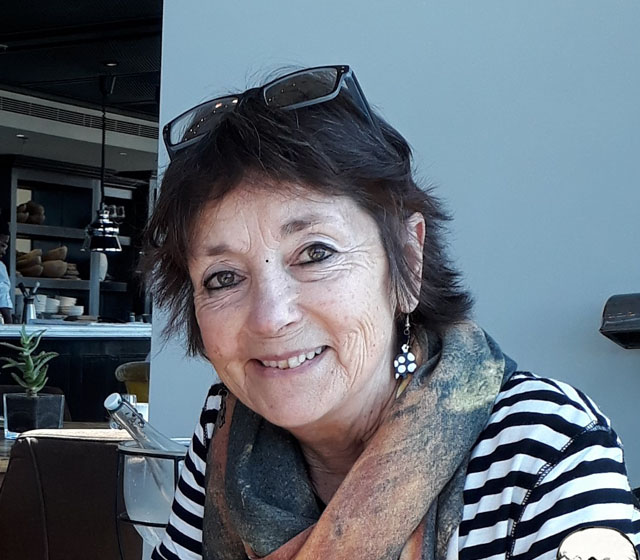
Nancy Richards
Nancy Richards, journalist, podcaster, former broadcaster and founder of NPO Woman Zone and The Women’s Library, will be remembered by many who listened to her radio shows over twenty odd years on SAfm – most especially SAfm Literature in which she spoke to hundreds of authors of all genres. And during which time she learnt a whole lot about the art of listening and craft of writing – some of which she has put into practice in her own book The Skipper’s Daughter. With her gentle yet incisive style she recounts her mother’s sea-faring voyage at the age of 16 which ended in tragedy. Other books include Beautiful Homes: As featured in Fairlady Magazine; Woman Today: A Celebration, Fifty Years of South African Women; Being a Woman in Cape Town: Telling your Story, and Women of Soil.
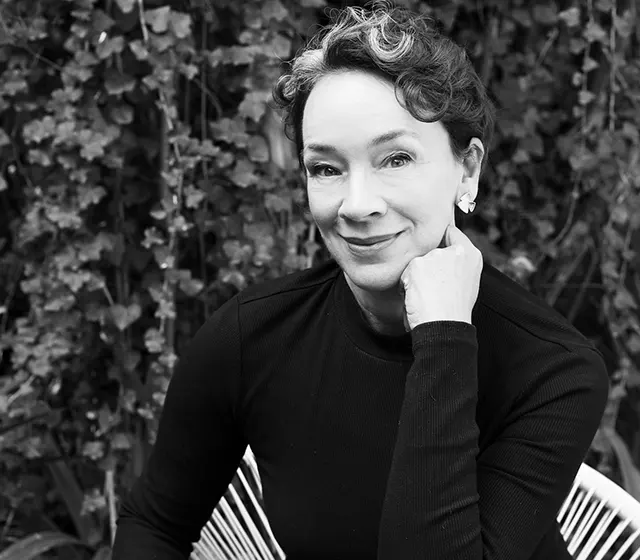
Kate Sidley
Kate Sidley has worked as a magazine and newspaper columnist, journalist and editor. Kate works as a commissioned author, co-writer and ghostwriter, and has written her own books.
Under the name Katie Gayle, Kate and her co-author, Gail Schimmel, write a successful murder mystery series. Published in the UK, it has been translated into many languages.

Steven Boykey Sidley
Steven Boykey Sidley is an award-winning and multi-shortlisted author and playwright.
He has written five novels – Entanglement, Stepping Out, Imperfect Solo, Free Association, Leaving Word and the play Shape (co-written with his wife Kate Sidley), as well of two non-fiction works – Beyond Bitcoin: Decentralised Finance and The End of Banks (co-written with Simon Dingle) and It’s Mine: How the crypto industry is re-inventing ownership.
Sidley is also Professor of Practice at the University of Johannesburg, Graduate School of Business (JBS) and is a regular columnist for Daily Maverick, Daily Friend and Currency News. He is a partner at the corporate advisory Bridge Capital. He is married with two children.

Pippa Skotnes
Artist, curator and scholar Pippa Skotnes is a research professor at the Centre for Curating the Archive. She has published several books on nineteenth century archives of hunter gatherer history, including Sound from the thinking strings, which won the UCT Book Award, and Rock art made in translation. Drawing on records made by Wilhelm Bleek and Lucy Lloyd when a small group of |xam men and women told them their folklore, Skotnes’s latest book, When the World Was, is a story for children in rhyming verses. Each verse introduces an idea that once animated the |xam world, such as ‘the sun whose light came out from his armpit’. When the World Was found its form when the author discovered how much her own grandson loved to sound the clicks of the |xam language.

Karina M. Szczurek
Karina M. Szczurek is the author and (co)editor of numerous works of fiction and non-fiction. She won the MML Literature Award in the Category English Drama in 2012, received the Thomas Pringle Award for a portfolio of ad hoc reviews from the English Academy of Southern Africa in 2018, the HSS Award for Best Fiction Edited Volume in 2024 and the CANEX Prize for Publishing in Africa in 2025. She is a board member of Short Story Day Africa. In 2019, she founded Karavan Press, an independent publishing house.
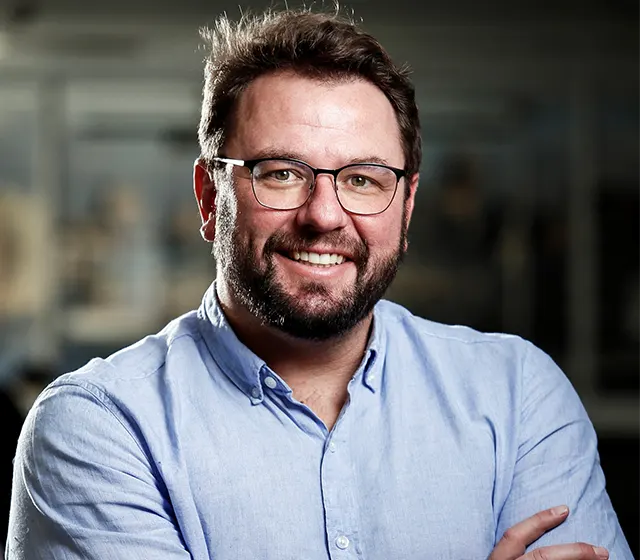
Pieter du Toit
As the deputy editor of News24.com. where he heads an investigative team of journalists, Pieter du Toit has brought many astonishing stories to public notice. His new book The Dark Prince takes a deep dive into Paul Mashatile’s controversial rise to power and reveals dark truths about the man many consider to be South Africa’s crown prince. Du Toit’s exposés include the murder of Reeva Steenkamp by Oscar Pistorius and the exposure of Eskom as company riven by corruption and criminality. The author of the bestselling books The Stellenbosch Mafia, The ANC Billionaires and The Super Cadres, du Toit’s close contact with political and business leaders, many of whom he has interviewed, gives him unique insights into South Africa’s trajectory and the individuals jockeying to be the country’s next president.

Louise Viljoen
Louise Viljoen is emeritus professor of the Department of Afrikaans and Dutch at the University of Stellenbosch. She is the author of Ons ongehoorde soort. Beskouings oor die werk van Antjie Krog (2009), a short biography titled Ingrid Jonker (2013) and Die mond vol vuur. Beskouings oor die werk van Breytenbach (2014). Her research focus is Afrikaans literature, with reference to postcolonialism, gender, identity, transnationalism and the role of small literatures in a global context.
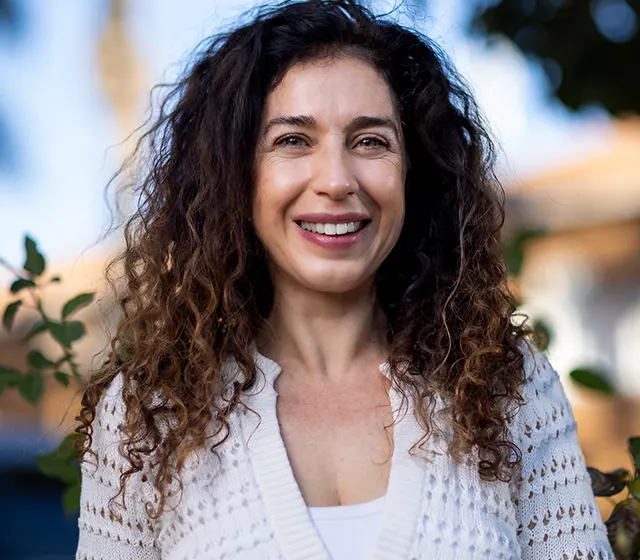
Veruska de Vita
Veruska de Vita’s relationship with water began in Sicily, where she swum in deep lakes and listened to her father’s stories of taking the family mule into the Mediterranean to cool off after a hard day’s work transporting grapes. De Vita has swum at almost every beach in South Africa; she is an open-water swimmer and learner free diver. Her background is in public relations and communications and she has a master’s in creative writing. Her book Deep Blue explores humanity’s intimate relationship with the sea.
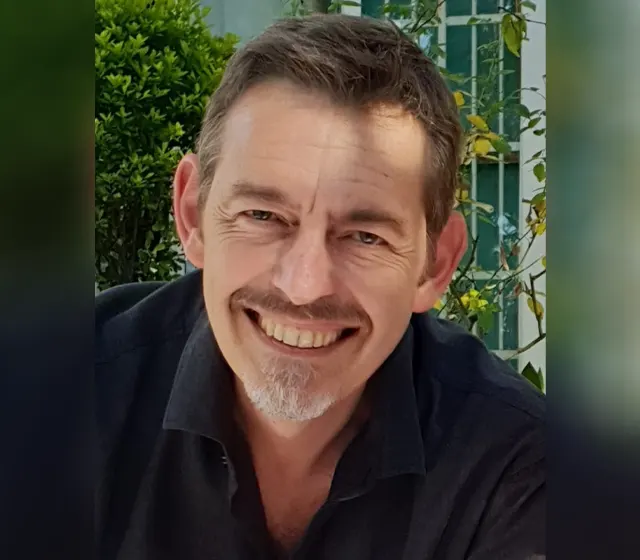
Shaun de Waal
Shaun de Waal is a veteran journalist, editor, and film and literary critic. Formerly the books editor and chief film critic at the Mail & Guardian, he is now the books editor at News24 and has contributed widely to South African arts and culture journalism.
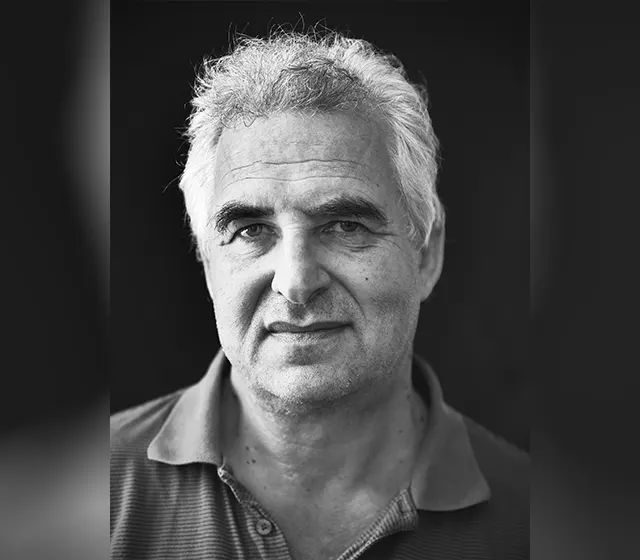
Paul Weinberg
Paul Weinberg’s career as a photographer, filmmaker, writer, archivist and educationist began at a time when photography was a crucial weapon against the apartheid state. He became a founder member of Afrapix and South, agencies which gained international recognition for their role in documenting apartheid and popular resistance. Later the IEC would appoint him to document the 1994 election process, during which he famously photographed Nelson Mandela’s first experience of voting. He has taught photography at Duke University and lectured in Documentary Arts and Visual Anthropology at UCT. Exhibitions of his work have been accompanied by several photographic books, including Earth Songs, Traces and Tracks, Then and Now, Moving Spirit and Travelling Light. His latest book, Between The Cracks, A Retrospective spans a career of over four decades. The cover is a photo from a series taken on Church Street in the centre of Pietermaritzburg.
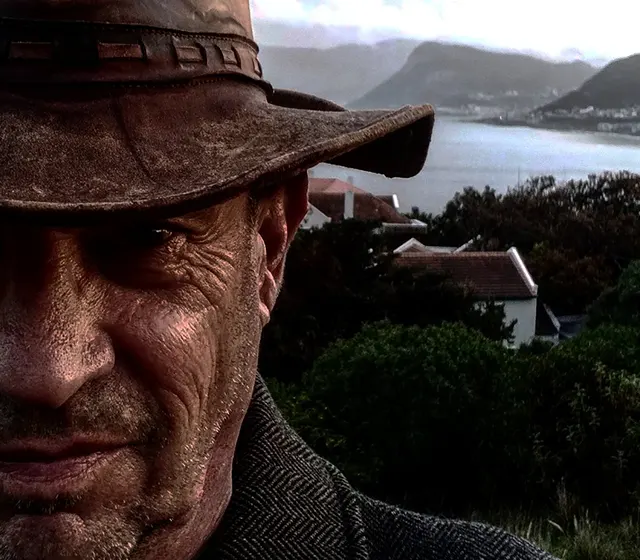
James Whyle
James Whyle is a screenwriter, playwright, actor, musician, poet and novelist who grew up in the Amatole Mountains of the Eastern Cape. His conscription into the SANDF and discharge on the grounds of insanity inspired the play National Madness which won him an Amstel Playwright of the Year merit award. A short story of his was selected by J.M. Coetzee as the winner of the 2011 PEN/Studzinski competition, and his first novel, The Book of War, won the M-Net Literary Award for best debut. His dystopian novel, The Excavations, a History of the End of the World, although described as ‘a masterpiece’ and ‘wonderfully strong … completely captivating’ by independent readers, was rejected by publishers. It exists as an eBook. His latest publication, We Two From Heaven, is an unconventional memoir that weaves episodic flashes of his own early life and conscription experiences with letters his father sent from the Western Front during the First World War.
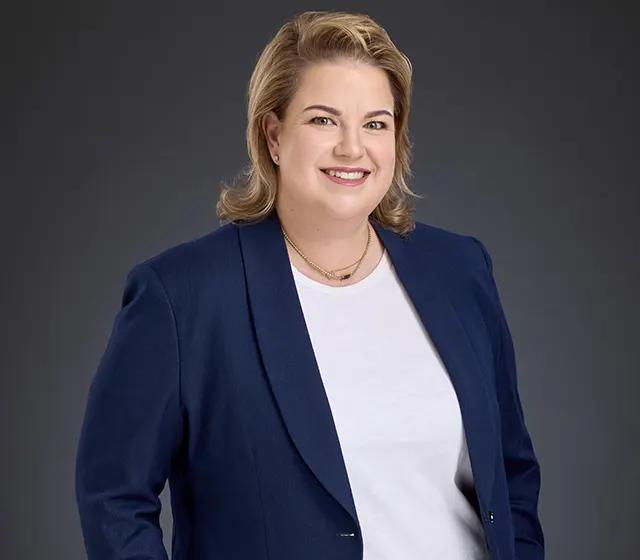
Mandy Wiener
As the host of The Midday Report on 702 and Cape Talk, Mandy Wiener is one of the most trusted voices in South Africa’s media. Her gift for investigative journalism has brought accolades, including several Journalist of the Year awards and a CNN African Radio Journalist of the Year award. From her bestselling debut, Killing Kebble, she has exposed South Africa’s biggest crime stories and political scandals, but her real interest lies in hope, in highlighting those who resist corruption and speak truth to power. Her seventh book, The Deal, is a behind-the-scenes account of the negotiations that led to the Government of National Unity following the ANC’s failure to gain a majority in the 2024 general elections.
Laurence Wright
Laurence Wright is an Extraordinary Professor in the Languages and Literature Research Entity at North-West University. He was formerly H.A. Molteno Professor of English and Director of the Institute for the Study of English in Africa (ISEA) at Rhodes University. He was awarded the Vice-Chancellor’s Distinguished Senior Research Medal in 2009. A member of the South African Academy of Science, a Rhodes Scholar and a Commonwealth Scholar, he is also a Gold Medallist and Fellow of the English Academy of Southern Africa, and Honorary Life President of the Shakespeare Society of Southern Africa.
He has published widely on writers such as Sol Plaatje, VS Naipaul, Edgar Allan Poe, RL Peteni, Joseph Conrad, Guy Butler, Shakespeare, JM Coetzee, Tom Sharpe and Somerset Maugham. His output includes work on the future of the humanities, on the economics of South African language policy, and on the education crisis in the Eastern Cape.
Under his leadership, ISEA developed groundbreaking research and implementation work in Adult Literacy, Industrial Education, in-service education for rural English teachers, textbook design and academic publishing. The story of the Institute is recounted in ISEA 1964-2014: A South African Research Institute Serving People, edited by Monica Hendricks (Grahamstown: NISC, 2016).

Pauli van Wyk
Pauli van Wyk is a financial crime investigator and former investigative journalist at Scorpio, Daily Maverick. She holds an MBA and a master’s degree in communication (journalism). Previously, Van Wyk worked at Mail & Guardian, Netwerk24 and Beeld. She has won the Standard Bank Sikuvile Award for Journalist of the Year and for Investigative Story of the Year, and was runner-up for the Taco Kuiper Award for her work on VBS Mutual Bank and the decimation at the South African Revenue Service.
